
Finding the Best Landscape Company Near Me
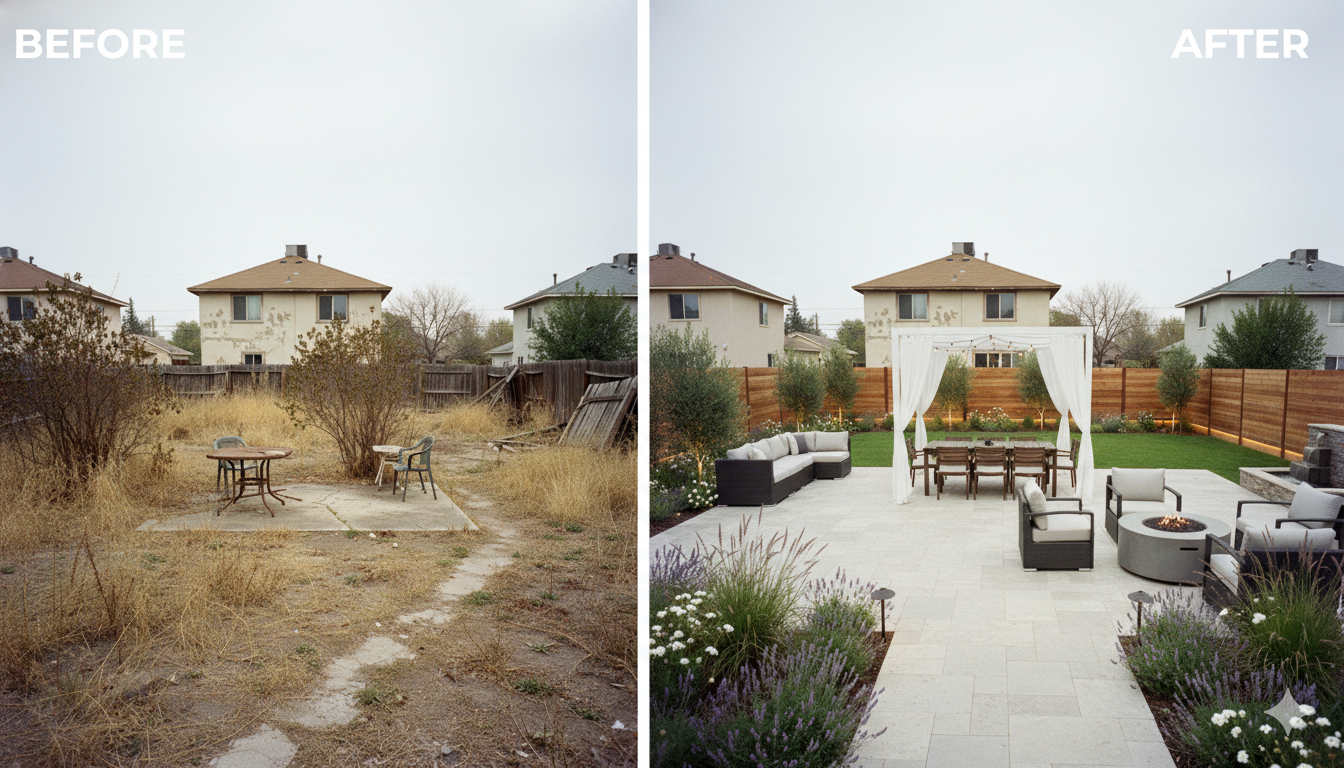
Type “best landscape company near me” into your phone and you usually just want someone dependable who shows up and knows your neighborhood. Finding them takes a bit of patience and a game plan.
Know what you want fixed before you reach out to anyone.
Look closely at local portfolios. Check how teams communicate. Make sure their style matches what you want for your property. Local crews understand the regional soil, the weather patterns, and the plants that thrive without constant attention. That local knowledge stops you from throwing money at mistakes.
Your yard is basically another room of your house. Take the time to research providers so you don’t end up frustrated. You want a team that actually listens to your ideas and explains how the whole process works from start to finish.
What to Look for in Local Crews
You want to work with people who have a solid track record in your neighborhood. Start by looking at pictures of past projects they completed nearby. Real photos show you how well their stone paths, planting beds, and patios hold up over time. If a company only shows digital renderings, ask to see actual photographs of completed yards.
Communication style matters just as much as technical skill. You’ll be spending weeks or months making decisions with these individuals. Pay attention to how fast they respond to your initial message. A team that answers your questions clearly during the planning phase will likely keep you informed while work is underway on your property.
Insurance and licensing protect both your home and the workers on your property. Always ask if a crew carries current liability coverage. Reputable businesses provide proof of insurance without hesitation.
Questions to Ask Before You Hire
Meeting with a few different teams helps you compare options. You want to ask specific questions about how they handle daily operations.
Find out who will manage your project on site each day. Knowing your main point of contact prevents confusion when multiple workers arrive at your house.
Ask about the expected timeline for your specific project. Weather delays happen often in outdoor work, but an experienced crew can give you a realistic window for completion. They should also explain how they handle unexpected issues, such as discovering buried utilities or poor drainage underground.
Budget discussions should be straightforward from the beginning. Make sure you understand what is included in the initial estimate. Some quotes cover only labor and basic materials, while others include plant selection and debris removal.

Evaluating Design Styles and Approaches
Every design team brings a different aesthetic to outdoor spaces. Some focus on native plants and natural stone, while others specialize in sleek, modern concrete layouts. Look through multiple portfolios to find a team whose past work resembles the look you want for your own yard.
Maintenance requirements differ wildly depending on the layout you choose. Lush lawns and formal hedges require frequent attention. Native grasses and layered perennial beds often need less upkeep once established. Be honest with your designer about how much time you want to spend maintaining your outdoor space each week.
A thoughtful design balances beauty with daily function. Think about how you actually use your yard. You might need a quiet seating area, a safe space for pets, or room for a vegetable garden.
Preparing Your Property for the First Visit
Walk your yard with a notepad before the designer shows up. Write down what matters most to you. Jot down where the sun beats down all afternoon and where puddles form after a heavy downpour. Share those notes. The designer will map out a layout much faster because of them.
Pick up any random clutter sitting around the grass so visitors can actually see your property lines. Leave the overgrown shrubs and broken fences alone, though. The crew needs to see the raw reality of your yard to give you an honest assessment.
Have a clear budget in mind before anyone walks through your front door. Knowing your limits keeps the conversation grounded in reality. If your dream design costs more than you planned to spend, a decent team will break the work into phases that fit your wallet.
How Much Does the Best Landscape Company Near Me Cost and What Affects the Price?
You probably want a clear number before you call anyone. It’s tough to give a flat rate because every yard is different. Some projects might cost a few hundred dollars for basic cleanup, while full yard transformations run into thousands. The final bill depends on what you actually want done.
Labor makes up a huge part of the bill. Crews charge by the hour or by the project size. Materials add up fast too. Natural stone costs more than basic mulch. If the workers need heavy machinery to grade a sloped hill, your price goes up. Plants also vary in price based on size and rarity. A mature tree costs way more than a small sapling.
To keep costs down, you can tackle some prep work yourself. Clear out old toys, pull weeds, or move patio furniture out of the way. You can also phase your project over a few seasons. Do the front yard this year and save the backyard for next year. Always get multiple bids so you know what the going rate is in your neighborhood.
Before You Pour Your First Resin Project
Getting ready takes time. Don’t rush this part. If your workspace is a mess, your project will show it. You need a flat surface that stays level for at least twenty-four hours. Even a tiny tilt will pull the liquid to one side and ruin your piece.
Temperature matters a lot. Cold rooms make the mixture cloudy and stop it from hardening right. Aim for a warm space with low humidity. Keep pets and kids out of the room. Dust and floating hair love to stick to wet surfaces. Grab all your tools before you mix anything. Once you start, the clock is ticking.
- Wipe your mixing cups and stirring sticks so they’re clean and dry.
- Check that your mold has no cracks or dust inside.
- Put on your protective gloves and grab paper towels for quick spills.
- Set up a plastic cover over your work table to catch drips.
What Is Epoxy Resin? Part A and Part B Explained
Epoxy looks like magic when it cures, but it is just simple chemistry. You work with two separate bottles. Part A is the resin. Part B is the hardener. Separately, they stay liquid forever. Once you mix them together, a chemical reaction starts right away.
You’ve to get the ratio exact. Most brands use a one-to-one mix by volume or weight. If you guess the amounts, the mixture stays sticky and soft. It will never cure right. Read the bottle instructions carefully. Measure twice before you pour liquids into your mixing cup.
Stirring takes patience. Use a flat stick and scrape the sides and bottom of the cup. Mix slowly so you don’t whip a bunch of tiny air bubbles into the liquid. You usually have about thirty to forty minutes of working time before the chemical reaction heats up and the mix starts to harden in the cup.
Pouring Your Resin: Tips for Even Application
Pouring is the fun part. Start in the middle of your mold or board. Let the liquid flow out naturally toward the edges. Don’t dump it all in one spot unless your piece is very small. A steady, low pour helps keep bubbles out.
Guide the liquid with your stir stick or a foam brush to cover corners. If you see tiny bubbles pop up on the surface, use a heat gun on a low setting. Sweep it quickly across the top. The heat makes the air bubbles rise and pop. Don’t hold the heat in one spot too long or you’ll scorch the surface.
Leave the piece alone once it’s covered. Put a large plastic box or storage tote over it to act as a dust tent. Walk away and let it sit undisturbed. Touching it too early leaves fingerprints and ruins the flat finish. Let it cure fully before you try to move or hang it.
How to Choose the Right Option for Best Landscape Company Near Me
Finding the right outdoor crew can feel overwhelming. You want someone reliable who actually listens to your ideas. Start by looking at local projects in your neighborhood. Do the yards look healthy and well-maintained? Drive around and take notes on properties that catch your eye. Word of mouth still works wonders. Ask your neighbors who they trust with their grass and flower beds.
Next, check online reviews, but do not just rely on the star rating. Read the actual text to see how companies handle problems. Did they show up on time? Did they clean up the mess when they finished? A good team communicates clearly from the start. They answer your calls and explain their process in plain English.
Set up short interviews with at least three different teams. Pay attention to how they treat your property during the initial visit. Do they track mud across your porch? Do they rush through your questions? Trust your gut feeling. If someone makes you feel rushed or confused, walk away. You deserve a crew that respects your time and your home.

