
How to Read Reviews and Find the Best Landscape Company Near Me
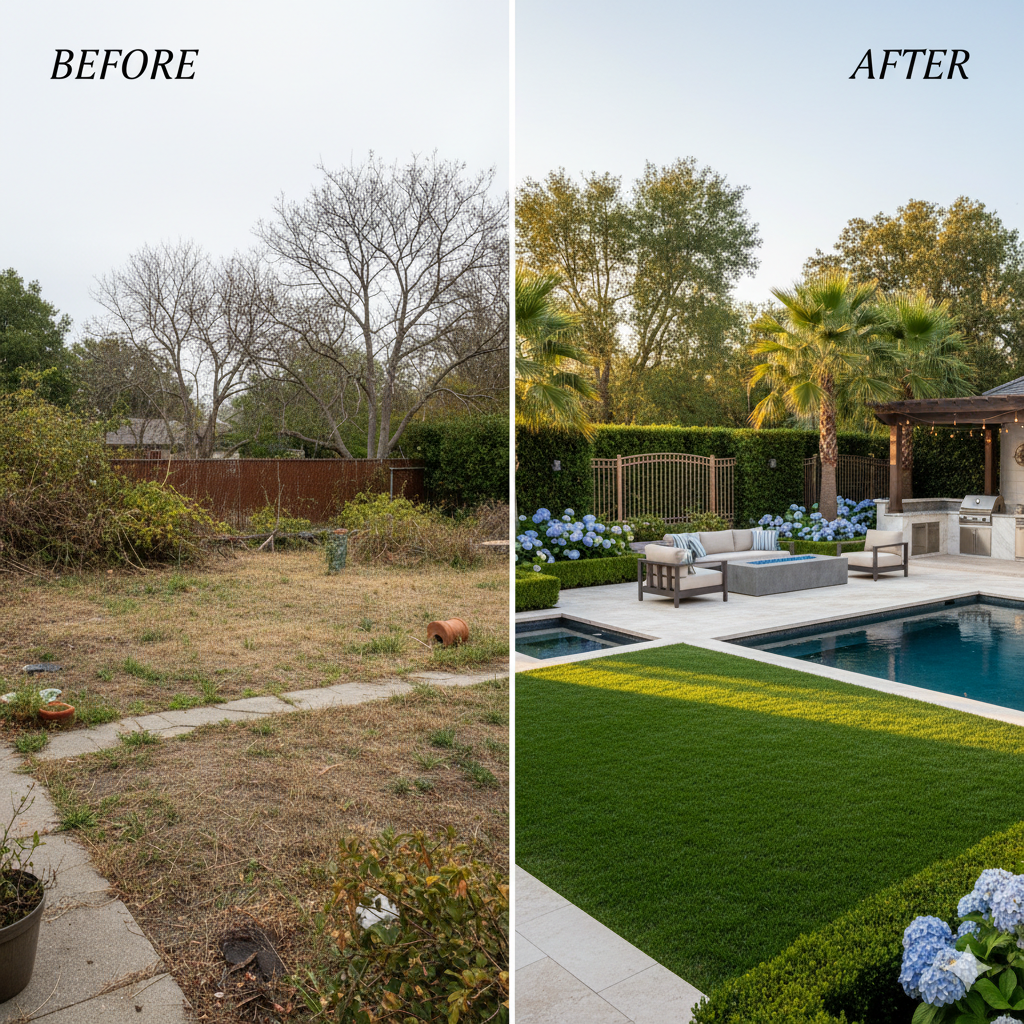
Finding pros to transform your outdoor space starts with reading feedback from past clients. Type best landscape company near me into a search engine, and you’ll see a long list of local businesses with star ratings and comments. Sifting through all of this takes patience. Look past the high scores. You want to know what the customer experience was actually like.
Choosing the right team comes down to a few basic steps. Evaluate online ratings, check portfolio photos, request detailed estimates, and verify proper licensing so your yard project gets handled by qualified professionals who communicate clearly and deliver reliable results.
Understanding Online Ratings and Comments
Star ratings give you a quick snapshot of public opinion, but the written feedback tells the real story. People often leave ratings out of strong emotion, either extreme frustration or total delight. Reading the details helps you separate a genuine service issue from a minor misunderstanding. Look for patterns in the comments. If multiple people mention poor communication or delayed timelines, pay attention to those warnings.
Positive reviews should describe specific actions. Notice if clients praise the crew for cleaning up the job site every evening or protecting existing plants during construction. Vague praise that only says the crew was nice is less helpful than a description of how a contractor solved a drainage problem. You also want to see how a business responds to negative feedback. A polite, professional reply shows that management takes responsibility and values customer satisfaction.
Evaluating Portfolios and Past Work
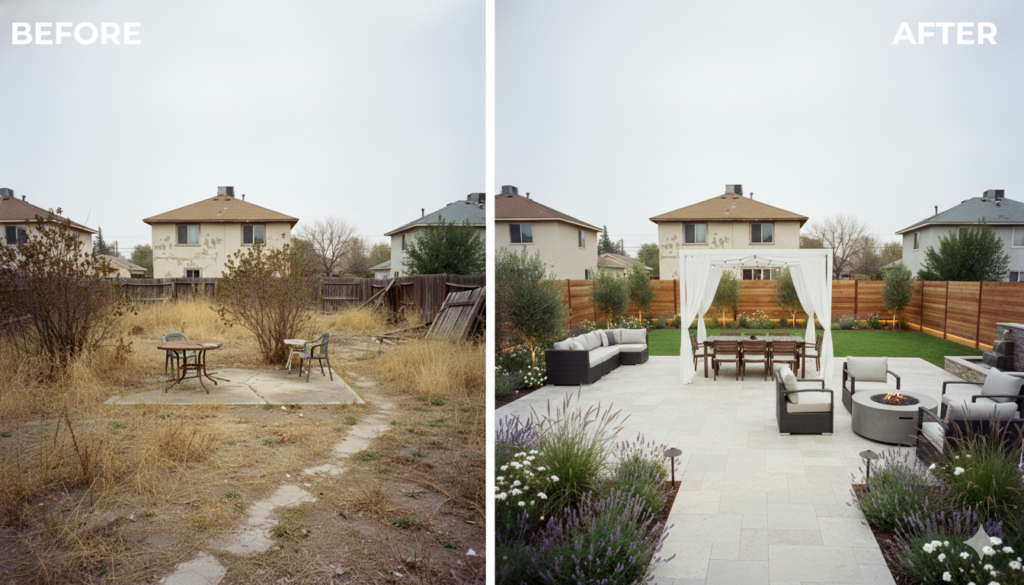
Photos tell you straight away if a contractor actually knows how to build the specific things you want in your yard. Some crews just handle lawn mowing and basic shrubs. Others build massive stone patios, retaining walls, or outdoor kitchens. Make sure their pictures match your project size. If you’re planning a multi-level deck with built-in seating, you need to see proof they’ve built that exact thing before.
Ask if those photos belong to them or if they’re just stock images. Real pros love showing off actual yards they finished. If you can, drive by a few addresses from their portfolio to check how their work holds up. Paving stones ought to stay level, and plants should still look healthy years after the crew packed up and left [[KEEP_0]].
Comparing Estimates and Pricing Structures
Getting bids from a few different contractors gives you a baseline for what your project should actually cost. Cheap bids often skip important steps like proper grading or sub-base preparation. High ones might pack in premium materials you don’t really need. Ask each contractor to break down the costs for labor, permits, and materials so you can compare them fairly.
Payment terms matter just as much as the final total. Be cautious of anyone asking for payment in full before work even begins. Standard industry practice usually involves a deposit to secure materials on your calendar, followed by milestone payments as the work progresses. Make sure every detail is documented in writing before any money changes hands.
Verifying Licensing and Credentials
Proper credentials protect you from liability if someone gets hurt on your property or if the work fails prematurely. Ask contractors for proof of general liability insurance and worker compensation coverage. You can contact your local licensing board to confirm that their credentials are active and in good standing. [[KEEP_0]]
Contracts should clearly outline the timeline, material specifications, and warranty terms. A clear agreement prevents misunderstandings about what is included in the price. Reputable professionals welcome questions about their insurance and licensing because they want you to feel secure throughout the project.

How much does the best landscape company near me cost and what affects the price?
You probably want to know the bottom line before you invite someone to your yard. Prices vary wildly in this industry. Every property is different. A simple lawn cleanup costs very little compared to a full backyard makeover with a stone patio and custom lighting. Most contractors charge by the project scope, while others use an hourly rate for smaller jobs. You need to ask for clear breakdowns so you don’t get surprised by hidden fees.
Several key factors push that final price up or down. Size matters most. A tiny front flower bed takes less time than a sprawling half acre. The materials you pick also change the total bill. Natural flagstone costs more than basic concrete pavers. Sloped yards require extra work like retaining walls to prevent erosion, which adds labor costs. Accessibility is another big deal. If heavy machinery can’t fit through your side gate, workers have to haul dirt and rocks by hand. That takes much longer.
Protect your wallet by getting bids from at least three different crews. Do not just pick the cheapest one. Lowball offers often mean the workers cut corners or use cheap plants that die in a month. Ask each contractor what is included in their estimate. Does it cover cleanup and haul away? Are plants under any sort of replacement guarantee? Read every line of the proposal before you sign anything.
Before you pour
Getting your yard ready takes real work before any digging starts. You cannot just call a crew and expect them to show up tomorrow and start planting. First, you need to map out your goals. Do you want a play area for the kids? Are you tired of mowing a steep hill? Make a list of your must haves and your nice to haves. This helps you stay focused when salespeople try to upsell you on fancy features you don’t actually want.
Next, you’ve to find out where your underground utilities are buried. Never skip this step. Hitting a gas line or water pipe ruins your day and costs a fortune to fix. Most states have a free service you can call or check online to mark your lines. Once your yard is marked, clear out any old junk, dead bushes, or patio furniture that might get in the way of the workers. A clean workspace helps the crew finish faster and keeps your property safe from accidental damage.
Talk to your neighbors if you share a fence line or if the work might block the street. Good communication stops arguments before they start. Finally, check your local homeowner association rules if you’ve one. Many neighborhoods have strict guidelines about tree types, fence heights, and grass length. Getting fined by your association after spending thousands on a yard makeover hurts. Do your homework up front so your project goes smoothly from start to finish.
The creative process: your first resin pour step by step
Turning an empty dirt patch into a gorgeous outdoor living space feels intimidating at first. You’ve to take it one phase at a time. The design phase comes first. Draw a rough sketch of your yard on a piece of paper. Mark where the sun hits hardest during the afternoon. You don’t want to put a seating area in a spot that turns into an oven by noon. Think about how you walk from your back door to your garage or driveway. Keep those paths natural and direct.
After you lock in the design, plant selection begins. Pick native plants whenever possible. They already know how to handle your local weather and soil without needing constant attention. Group plants with similar water needs together. Put your thirsty hydrangeas in a shady spot and keep your drought tolerant succulents in the sun. This makes watering much easier later on.
Installation is the heavy lifting part. Professionals bring in the right tools to grade the dirt, lay base rock, and set heavy stones. You can watch or lend a hand depending on your energy level. Once the hardscape is in place, the plants go into the ground. A fresh layer of mulch finishes the look and holds moisture in the soil. Water everything deeply right after planting to help the roots settle into their new home.
5. Pouring your resin: tips for even application
Spreading mulch or gravel looks simple, but doing it right takes a bit of know-how. If you just dump a pile in the middle of your yard, it looks messy and washes away in the first heavy rain. You want an even layer across all your beds. Most garden pros suggest a depth of two to three inches for wood mulch. Anything less lets weeds peek through. Anything more suffocates the plant roots and blocks water from getting down to the soil.
Here are a few quick tips to keep your ground cover looking sharp:
- Clear out all weeds and roots before you dump new material.
- Keep mulch a few inches away from the stems of trees and shrubs to stop rot.
- Use metal or plastic edging to keep rocks and mulch from spilling onto your lawn.
- Rake the surface flat so it catches the light evenly.
Take your time with this step. A clean, even bed makes the whole yard pop. If you hire a crew, walk the property with the project manager before they pack up their trucks. Point out any thin spots you want them to touch up. Good workers appreciate the feedback and want you to love the final result.

